


-
Sold out

 Vendor:Mission Models Paints
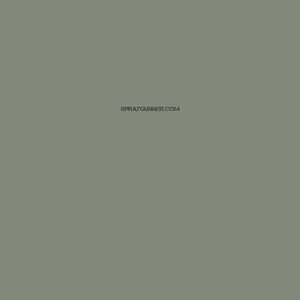
Mission Models Paints Color: MMP-114 Neutral Haze Grey US Navy (WWII / Post)
Regular price $6.11 USDRegular price -
Sold out

 Vendor:Mission Models Paints
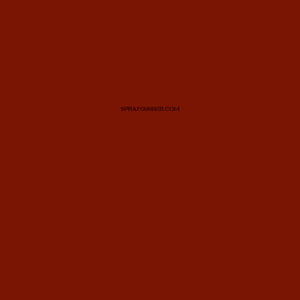
Mission Models Paints Color: MMP-111 Anti Fouling Red Norfolk 65A
Regular price $6.11 USDRegular price -
Sold out

 Vendor:Mission Models Paints
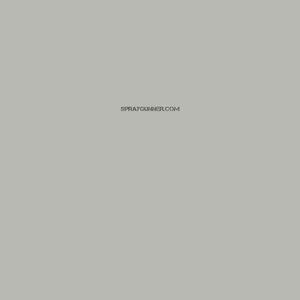
Mission Models Paints Color: MMP-103 Haze Grey US Navy 5H
Regular price $6.11 USDRegular price


Navy ship paint colors for scale modeling
Model builders looking for reliable and historically accurate tones for US Navy vessels know how important proper color matching is. This collection brings together essential shades from Mission Models, a brand favored for its pigment consistency, smooth atomization, and durable finish on plastic kits. Whether you're working on a WW2 destroyer, a post-war carrier deck, or a museum-quality diorama, having the right navy ship paint can make all the difference in realism and presentation. These paints are designed for airbrush users who want dependable coverage with minimal tip-dry and excellent control when layering haze greys, red antifouling tones, and weathered deck variations.
What’s in this collection
This small but precise collection focuses on three historically significant colors used widely across US Navy ships. Because Mission Models prioritizes pigment accuracy and clean application, these paints are ideal for builders working on ships from 1940s fleets or more modern surface vessels.
• MMP-114 Neutral Haze Grey US Navy (WWII / Post)
This tone represents the neutral haze greys applied across multiple classes of ships. It offers a balanced mid-value grey perfect for hulls, superstructures, island towers, and refitted vessels that adopted updated coatings over the years.
• MMP-111 Anti Fouling Red Norfolk 65A
This is a rich and historically grounded antifouling red used on lower hulls. It produces clean, smooth coverage and responds exceptionally well when modulated with lighter reds or browns for realistic weathering.
• MMP-103 Haze Grey US Navy 5H
Well known by ship modelers for decades, this lighter haze grey is essential for early-war and mid-war US Navy fleets. It provides an excellent base for panel fading, sun bleaching, and layered ocean-worn effects.
Each bottle maintains the consistency Mission Models is known for, giving you the confidence to achieve fine detail or broad coverage with your airbrush. When combined with proper thinning ratios, these colors replicate the subtle tone variations seen on real naval vessels operating under sun, salt, and operational wear.
Benefits, uses, and practical tips
Working with navy ship paint from Mission Models helps ensure clean color transitions and realistic finishes. Because these paints respond well to modulation techniques, you can create depth on ship surfaces that are usually large, flat, and visually uniform. Adding subtle value shifts gives your model a more “alive” finish, reflecting operational wear from long deployments.
One advantage of Mission Models is the built-in flexibility with thinning and mixing. A few key tips can elevate the results you achieve:
• Mix at roughly 10–20% thinner for controlled layering, or increase thinning for fades and post-shading.
This keeps your atomization smooth and prevents oversaturation on delicate details.
• Use Mission Models thinner or reducer for best results, since the resin system reacts cleanly with its dedicated additives.
While some universal thinners can work, the performance is more predictable with the brand’s own system.
• Apply light coats in passes rather than trying to obtain full opacity at once.
This avoids pooling and helps the surface remain sharp, especially around deck lines, raised platforms, and turret bases.
• Combine multiple greys to create natural variation on hull surfaces.
Ship hulls rarely appear as one uniform shade due to weathering, aging, and repainting on different operational cycles.
• For the anti-fouling red, a small amount of brown added to lower hull areas produces realistic tonal shifts that mimic long-term ocean exposure.
Because the paints are airbrush-ready, they work equally well for soft modulation and crisp masked demarcations. Many modelers appreciate the smooth edge definition they get when masking deck patterns, hazard stripes, or camouflage schemes used during WW2.
Another key benefit is durability. Mission Models paints form a stronger film than many water-based alternatives, offering better scratch resistance during handling, weathering, and decal application. This means your model withstands chipping, dry-brushing, washes, and pigment work without losing adhesion.
These colors are also excellent for diorama builders. Use the haze greys for naval dock equipment, cranes, mooring structures, and bunker walls. The antifouling red works beautifully on buoys, underwater structures, and rust-toned elements.
If you're updating or repainting old builds, the opacity of these paints helps cover previous layers cleanly. Their predictable behavior under varnishes—gloss or matte—ensures a stable base for decals or heavy weathering.