


Explore airbrush paints for modeling, miniature painting, illustration, automotive artwork, textiles, and crafts. This collection brings together airbrush-ready and airbrush-compatible paint systems in different color ranges and finishes.
We stock paints alongside thinners, primers, and finishing supplies, with help available when you need to match the products to a surface. Browse by paint type, or check a paint system with us before mixing products from different ranges.






-

 Vendor:Createx
Createx Airbrush Colors Opaque White 5212
Regular price From $3.61 USDRegular price -

 Vendor:Createx
Createx Airbrush Colors Opaque Black 5211
Regular price From $3.61 USDRegular price -

 Vendor:Createx
Createx Airbrush Colors Fluorescent Yellow 5405
Regular price From $3.61 USDRegular price -

 Vendor:Createx
Createx Airbrush Colors Fluorescent Hot Pink 5407
Regular price From $3.61 USDRegular price -

 Vendor:Createx
Createx Airbrush Colors Fluorescent Green 5404
Regular price From $3.61 USDRegular price -

 Vendor:Createx
Createx Airbrush Colors Pearl White 5310
Regular price From $3.61 USDRegular price -

 Vendor:Createx
Createx Airbrush Colors Fluorescent Orange 5409
Regular price From $3.61 USDRegular price -

 Vendor:Createx
Createx Airbrush Colors Transparent Black 5132
Regular price From $3.61 USDRegular price -

 Vendor:Createx
Createx Airbrush Colors Pearl Silver 5308
Regular price From $3.61 USDRegular price -

 Vendor:Createx
Createx Airbrush Colors Opaque Red 5210
Regular price From $3.61 USDRegular price -

 Vendor:Createx
Createx Airbrush Colors Fluorescent Blue 5403
Regular price From $3.61 USDRegular price -

 Vendor:ChromaAir Paints
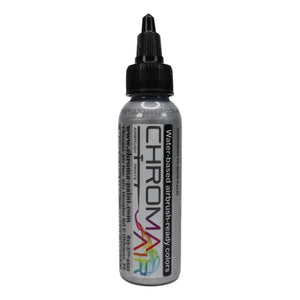
ChromaAir Metallic Paint: Aluminum super fine
Regular price From $12.20 USDRegular price -
Save $2.97 USD
 Vendor:Badger
STYNYLREZ primer set 3 tone 120ml each
Regular price $16.00 USDRegular price$18.97 USD-$2.97 USD Sale price $16.00 USD -

 Vendor:Createx
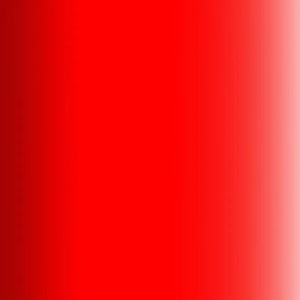
Createx Airbrush Colors Transparent Brite Red 5117
Regular price From $3.61 USDRegular price -

 Vendor:Createx
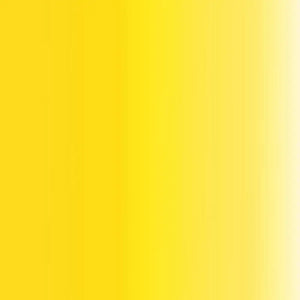
Createx Airbrush Colors Opaque Yellow 5204
Regular price From $3.61 USDRegular price -
Sold out
 Vendor:AMMO by Mig Jimenez
ATOM Thinner and Cleaner with Retarder 60mL
Regular price $6.15 USDRegular price -

 Vendor:Createx
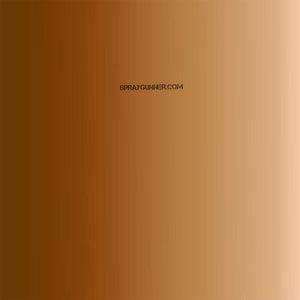
Createx Airbrush Colors Transparent Light Brown 5127
Regular price From $3.61 USDRegular price -

 Vendor:Createx
Createx Airbrush Colors Pearl Blue 5304
Regular price From $3.61 USDRegular price -
Sold out

 Vendor:AMMO by Mig Jimenez
IONIC Basic Paint Set for Miniatures + NO-NAME Synthetic Round Brush Set
Regular price $69.00 USDRegular price -

 Vendor:Createx
Createx Airbrush Colors Fluorescent Red 5408
Regular price From $3.61 USDRegular price


Types of Airbrush Paints
Acrylic Paint Systems
Acrylic paint systems are widely used for models, miniatures, illustration, crafts, and general airbrush work. Formulation, thinning requirements, and cleanup methods vary by manufacturer. The word acrylic does not establish that a paint is water-based.
Urethane and Other Specialist Systems
Automotive and custom-paint systems can require particular reducers, primers, clear coats, and controlled spraying conditions. Follow the manufacturer's instructions for the complete system. Do not assume a hobby workspace is suitable because the paint can pass through an airbrush.
Transparent, Opaque and Effect Colors
Transparent colors let underlying layers influence the result. Opaque colors provide more solid coverage, while metallic, pearl, and fluorescent colors create different visual effects. Effect-pigment size and spraying requirements vary, so check the recommended nozzle and preparation before choosing a color.
Airbrush Paints for Different Applications
The right paint depends on the surface, airbrush setup, finish, durability requirements, and type of project. Product instructions should always take priority because different paint systems can require different reducers, primers, clear coats, nozzle sizes, or spraying conditions.
- Models and miniatures: colors, primers, washes, effects, and finishing products for the material being painted.
- Illustration and fine art: paints for controlled lines, gradients, transparent layers, and detailed artwork.
- Automotive and custom graphics: compatible systems for the prepared substrate and intended clearcoat.
- Crafts and decorative work: colors and finishes approved for the particular surface.
- Textiles: paints specifically intended for the fabric, with the manufacturer's fixing or heat-setting instructions.
Our guide to matching paint to the surface and its use explains why those differences matter. Our comparison of acrylic lacquer and enamel model paints is useful when choosing a model-paint system.
Choosing Paint for Your Airbrush
Before using a new paint line, check the manufacturer's recommendations for your airbrush setup. Even paints marketed for airbrushing can differ in viscosity, pigment size, required reduction, drying behavior, and preferred working pressure.
- Confirm the paint is suitable for the surface and application.
- Use the specified thinner or reducer when reduction is needed.
- Check nozzle and needle recommendations where provided.
- Test the mixture, pressure, and spray distance on a spare surface.
- Follow drying, curing, cleaning, and protective-equipment instructions.
A preparation product must match the paint. For example, Vallejo Airbrush Thinner 061 is a Vallejo auxiliary product, not a universal reducer for every brand in this collection. Our guidance on adjusting paint for your nozzle and pressure explains the checks to make before adding more thinner.
Airbrush Paint Finishes and Color Options
Matte finishes reduce visible sheen, while satin and gloss finishes reflect more light. Transparent and opaque describe how much of the underlying color remains visible; they do not describe the final sheen.
The starting surface, primer color, application, and finishing coat can all affect the result. Test a complete color and clearcoat combination before applying it to your project, especially with metallics or layered effects.
Airbrush Paint Color and Finishing Supplies
Our airbrush paint collection includes products from multiple paint manufacturers and covers a broad range of colors, finishes, and painting applications. Use the brand selections and collection filters above to narrow the catalog by the available attributes, then check the individual product page for bottle size and preparation instructions.
For larger vehicle or custom-paint projects, the related automotive paint and finishing range provides another way to browse. Keep the paint, reducer, primer, and clearcoat within a verified compatible system rather than choosing each by color alone.
Spraying Paint Safely
Avoid breathing paint mist or cleaner spray, including from water-based products. Use ventilation and protective equipment suitable for the specific paint, reducer, and cleaner, following their labels and Safety Data Sheets. Low odor does not establish that a product can be sprayed without exposure controls.
Flammable solvents and isocyanate-containing two-component products need additional precautions. Check the required spray area and respiratory-protection arrangement before buying or spraying these systems. Use the manufacturer's instructions for storage and disposal as well as application.
Airbrush Paint Questions Before You Order
Can I put ordinary craft paint in an airbrush?
Only use a paint that can be prepared for the airbrush and intended surface according to its instructions. Thick or coarse-pigment paints may not atomize well through a small nozzle. A compatible airbrush formulation is a more straightforward starting point.
Can I thin every acrylic paint with water?
No. Acrylic paints do not all use the same carrier or additives. Check the specific manufacturer's recommendation before choosing water, thinner, or reducer.
Can I mix paints from different manufacturers?
Do not assume compatibility because both bottles say acrylic. Follow the manufacturers' guidance and test any permitted combination away from the project. A mixture that looks smooth in a cup may still dry or adhere differently.
Does airbrush-ready mean the paint never needs adjustment?
No. It means the formulation is intended for airbrush use, but the color, nozzle, pressure, and conditions can still affect spraying. Make a small test before changing the mixture.
Does every airbrush paint need a clearcoat?
No. The need for a clearcoat depends on the paint system, handling, exposure, and desired finish. Use a compatible clear only when the application calls for it and follow the required drying or curing time.
Choose the surface and finish first, then build a compatible paint system around them. For help with an airbrush paint and its supporting products, call us at +1 (877) 707-8767 with the exact paint line and surface you plan to use.