

-
Save $2.00 USD

 Vendor:AMMO by Mig Jimenez
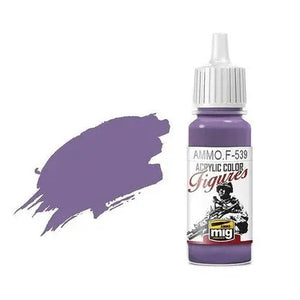
AMMO by MIG Acrylic for Figures - BRIGHT VIOLET
Regular price $2.00 USDRegular price$4.00 USD-$2.00 USD Sale price $2.00 USD -
Save $2.00 USD

 Vendor:AMMO by Mig Jimenez
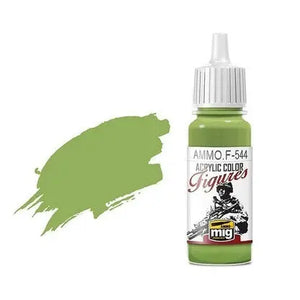
AMMO by MIG Acrylic for Figures - PACIFIC GREEN
Regular price $2.00 USDRegular price$4.00 USD-$2.00 USD Sale price $2.00 USD -
Save $2.00 USD

 Vendor:AMMO by Mig Jimenez
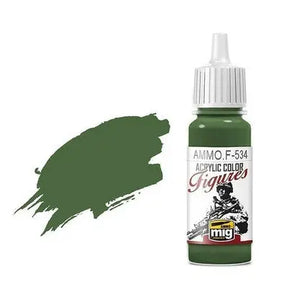
AMMO by MIG Acrylic for Figures - OLIVE GREEN
Regular price $2.00 USDRegular price$4.00 USD-$2.00 USD Sale price $2.00 USD -
Save $2.00 USD
 Vendor:AMMO by Mig Jimenez
AMMO by MIG Acrylic for Figures - Deep Cobalt Blue
Regular price $2.00 USDRegular price$4.00 USD-$2.00 USD Sale price $2.00 USD -
Save $2.00 USD
 Vendor:AMMO by Mig Jimenez
AMMO by MIG Acrylic for Figures - Matt Earth FS-34088
Regular price $2.00 USDRegular price$4.00 USD-$2.00 USD Sale price $2.00 USD -
Save $2.00 USD

 Vendor:AMMO by Mig Jimenez
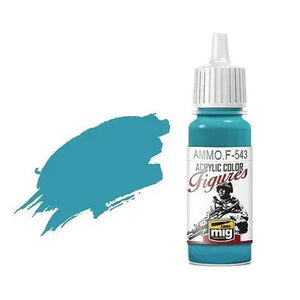
AMMO by MIG Acrylic for Figures - GREEN BLUE
Regular price $2.00 USDRegular price$4.00 USD-$2.00 USD Sale price $2.00 USD -
Save $2.00 USD

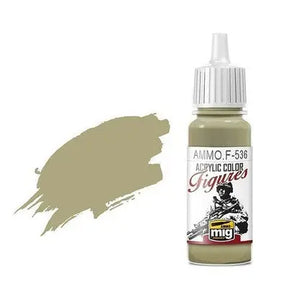 Vendor:AMMO by Mig Jimenez
AMMO by MIG Acrylic for Figures - SPLINTER GREY
Regular price $2.00 USDRegular price$4.00 USD-$2.00 USD Sale price $2.00 USD -
Save $2.00 USD
 Vendor:AMMO by Mig Jimenez
AMMO by MIG Acrylic for Figures - Medium Russian Green FS-34092
Regular price $2.00 USDRegular price$4.00 USD-$2.00 USD Sale price $2.00 USD -
Save $2.00 USD

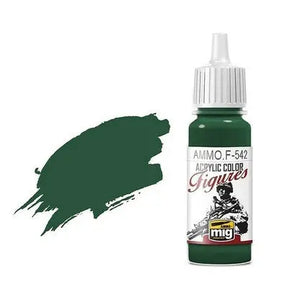 Vendor:AMMO by Mig Jimenez
AMMO by MIG Acrylic for Figures - PHATLO GREEN
Regular price $2.00 USDRegular price$4.00 USD-$2.00 USD Sale price $2.00 USD -
Save $2.00 USD

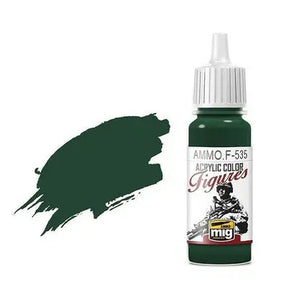 Vendor:AMMO by Mig Jimenez
AMMO by MIG Acrylic for Figures - ITALIAN GREEN CAMO
Regular price $2.00 USDRegular price$4.00 USD-$2.00 USD Sale price $2.00 USD


Miniature Skin Tone Painting Guide
Achieve realistic skin tones on miniatures using a simple layering system. Start with a base color, add shadows for depth, and finish with highlights to bring your figures to life.
How to Paint Realistic Skin on Miniatures
- Start with a base coat: Apply a smooth, even skin tone
- Add shadows: Use darker tones in recesses and creases
- Build highlights: Apply lighter tones on raised areas
- Blend layers: Use thin paint to create smooth transitions
Using the right colors and layering techniques will dramatically improve the realism of your miniature figures.
Complete Miniature Painting Guide – Step-by-Step Workflow
Learn how to paint miniatures with a simple, effective workflow used by hobbyists and professionals. Follow these steps to achieve clean, detailed, and realistic results using acrylic paints for figures.
Step 1: Preparation & Priming
- Clean the model to remove dust and oils
- Apply a primer to improve paint adhesion
- Use black, white, or grey primer depending on your desired finish
Step 2: Base Coating
- Apply your main colors using thin, even layers
- Use multiple coats instead of one thick layer
- Ensure smooth coverage before moving to the next step
Step 3: Shading & Washes
- Apply washes to recesses to create depth
- Use darker tones for shadows and contrast
- Focus on creases, folds, and panel lines
Step 4: Layering & Highlights
- Build lighter tones gradually on raised areas
- Use controlled brush strokes for precision
- Create contrast between light and shadow
Step 5: Detailing
- Paint small features like eyes, straps, and accessories
- Use a fine detail brush for accuracy
- Add edge highlights for sharp definition
Step 6: Finishing & Protection
- Apply varnish to protect your miniature
- Use matte, satin, or gloss depending on the desired look
- Optional: Add weathering for realism
Essential Tools for Miniature Painting
- Acrylic paints: Smooth and easy to control
- Detail brushes: For precision work
- Thinners: Improve paint flow
- Palette: Helps control paint consistency
Pro Tips for Better Miniature Painting
- Always thin your paints: Prevents brush marks
- Work in layers: Builds smoother transitions
- Use good lighting: Improves accuracy
- Practice blending: Enhances realism
Mastering these techniques will help you create high-quality miniatures with depth, realism, and professional detail.