


-
Save $25.00 USD

 Vendor:NO-NAME brand
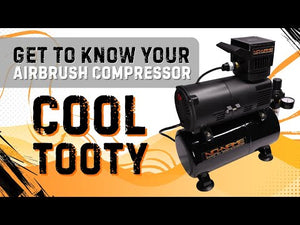
Cool Tooty Airbrush Compressor with Tank by NO-NAME Brand
Regular price $140.00 USDRegular price$165.00 USD-$25.00 USD Sale price $140.00 USD -
 Vendor:NO-NAME brand
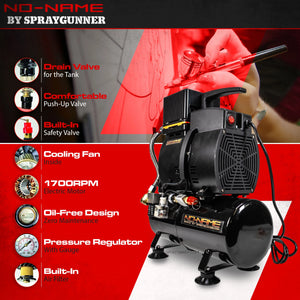
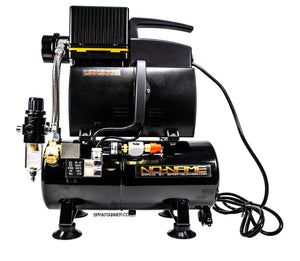
Super Cool Tooty OS Air Compressor by NO-NAME Brand
Regular price $185.00 USDRegular price$185.00 USDSale price $185.00 USD -
Save $2.00 USD

 Vendor:NO-NAME brand
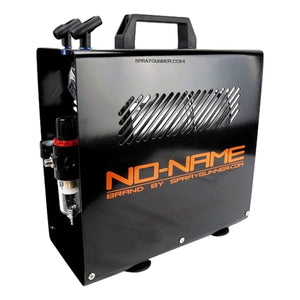
Master Blaster Airbrush Compressor by NO-NAME Brand
Regular price $165.00 USDRegular price$167.00 USD-$2.00 USD Sale price $165.00 USD -

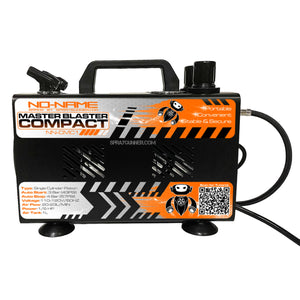 Vendor:NO-NAME brand
Compact Master Blaster Airbrush Compressor by NO-NAME Brand
Regular price From $120.00 USDRegular price -
Save $20.00 USD

 Vendor:NO-NAME brand
Cool Tooty Airbrush Compressor with 1/4" adapter by NO-NAME Brand
Regular price From $145.00 USDRegular price$165.00 USD-$20.00 USD Sale price From $145.00 USD -

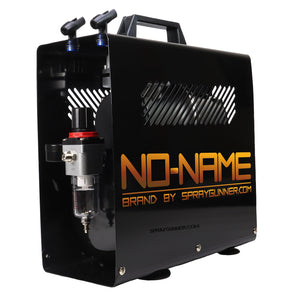 Vendor:NO-NAME brand
Master Blaster II Airbrush Compressor by NO-NAME Brand
Regular price $222.00 USDRegular price -
Sold out

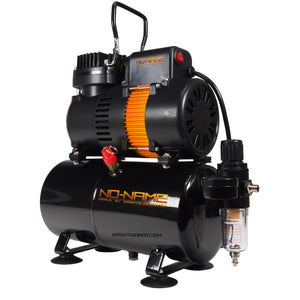 Vendor:NO-NAME brand
Tooty Airbrush Compressor by NO-NAME Brand
Regular price From $99.95 USDRegular price -

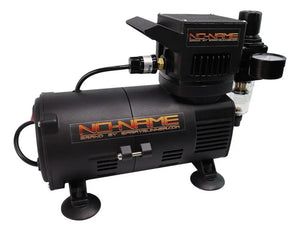 Vendor:NO-NAME brand
Cool Rooty Tooty Airbrush Compressor by NO-NAME Brand
Regular price $99.00 USDRegular price -
Save $35.00 USD

 Vendor:NO-NAME brand
NO-NAME Brand Master Blaster Compact D Digital Airbrush Compressor
Regular price From $130.00 USDRegular price$165.00 USD-$35.00 USD Sale price From $130.00 USD -
Sold out

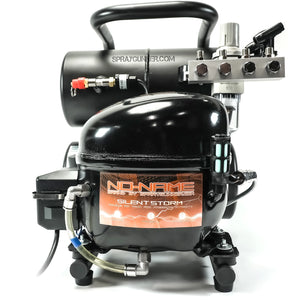 Vendor:NO-NAME brand
New Silent Compressor for Airbrush: Silent Storm by NO-NAME
Regular price From $350.00 USDRegular price -

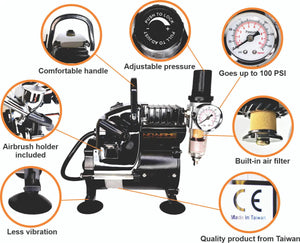 Vendor:NO-NAME brand
Silent Mini Air Compressor w/ Regulator and hose by NO-NAME Brand
Regular price $220.00 USDRegular price -

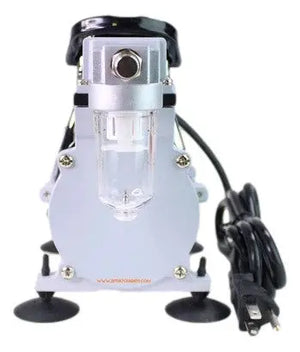 Vendor:NO-NAME brand
Mini Air Compressor with 1/8"-1/8" Hose by NO-NAME Brand
Regular price $197.00 USDRegular price -
Sold out
Vendor:NO-NAME brand
No Name Minigun 0.8mm Airbrush + Euro 220V Air Compressor Bundle
Regular price From $180.00 USDRegular price -
Sold out

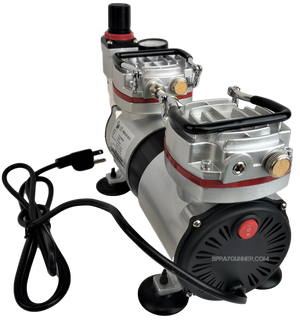 Vendor:NO-NAME brand
Master Blaster Junior Airbrush Compressor by NO-NAME Brand
Regular price $115.00 USDRegular price


NO-NAME Airbrush Compressors for Hobby & Creative Work
Explore NO-NAME airbrush compressors for model painting, miniature work, illustration, custom painting, crafts, and other airbrush applications. The collection includes several compressor configurations, from compact and portable units to tank-equipped and higher-capacity systems, giving you options for different workspaces and airbrush setups.
Choose the Right Airbrush Compressor
The best compressor for your setup depends on how you plan to use your airbrush. Consider tank capacity, airflow requirements, portability, operating noise, pressure controls, and how many airbrushes you expect to run before choosing a model.
- Compressors with tanks: Store compressed air between motor cycles and can provide a steadier air supply during longer painting sessions.
- Compact compressors: Take up less workbench space and can be convenient for smaller hobby stations or occasional airbrush use.
- Cordless and portable compressors: Offer additional flexibility when access to a standard workspace or outlet is limited.
- Higher-capacity compressor systems: May be better suited to applications requiring greater airflow or longer operating periods.
NO-NAME Compressor Options at SprayGunner
The NO-NAME compressor range includes models such as the Cool Tooty, Master Blaster, Compact Master Blaster, Super Cool Tooty, and other compressor configurations. Individual models differ in pressure capability, tank design, size, airflow, connections, and included equipment, so always review the specifications on the individual product page before choosing a compressor.
This variety makes it easier to match the air source to the type of airbrush work you actually do rather than choosing a compressor based only on size or price.
For Models, Miniatures, Art & Airbrush Projects
An airbrush compressor supplies the controlled airflow needed to atomize paint through an airbrush. Depending on the compressor and airbrush combination, NO-NAME systems can support applications such as miniature painting, scale models, illustration, stencils, custom painting, 3D-print finishing, crafts, and general hobby work.
Air pressure requirements vary with nozzle size, paint viscosity, and the desired spray pattern. A fine-detail setup may use different settings than a larger airbrush used for primers, basecoats, or broader coverage.
What to Consider Before Choosing a Compressor
- Airflow and pressure: Check that the compressor can provide the operating range required by your airbrush and paint application.
- Tank or tankless design: Decide whether your workflow benefits from stored compressed air or a smaller direct-air setup.
- Connection size: Confirm the compressor outlet and airbrush hose fittings before connecting your equipment.
- Workspace: Consider the physical size of the compressor, ventilation around the unit, portability, and expected operating noise.
- Number of airbrushes: Larger or multi-outlet systems may be more suitable when more than one airbrush needs to be connected.
Air Compressor Maintenance
Regular maintenance helps keep an airbrush compressor operating properly. On compressors equipped with a tank, accumulated moisture should be drained according to the manufacturer's instructions. Hoses, fittings, regulators, moisture traps, and connections should also be checked periodically for leaks or wear.
Always follow the operating and maintenance instructions provided for the specific compressor model, since service requirements can differ between compressor designs.
Complete Your NO-NAME Airbrush Setup
If you need an airbrush and compressor together, explore the NO-NAME Airbrush Sets with Compressors for bundled configurations that combine an air source with compatible airbrush equipment.
For maintenance and replacement components, browse NO-NAME Airbrush Parts for needles, nozzles, valves, seals, cups, and other service parts.